

Diabetes during Pregnancy on the Rise in UAE
Diabetes is among the many medical complications that occur during pregnancy. Gestation diabetes develops during the second trimester, and the patient shows no symptoms. However, the doctor checks for diabetes between the 6th and 8th month of pregnancy. This condition is not permanent, and it goes away after delivery.
Studies show that 1 out of 3 women in the UAE will develop gestation diabetes. An expectant woman might not realize that she has developed diabetes because the symptoms are similar to those of pregnancy; for example, food cravings, thirst, excessive urination, and weight gain. Diabetes during pregnancy occurs when the placenta produces hormones that trigger the buildup of blood glucose.
Understanding the Risk Factors
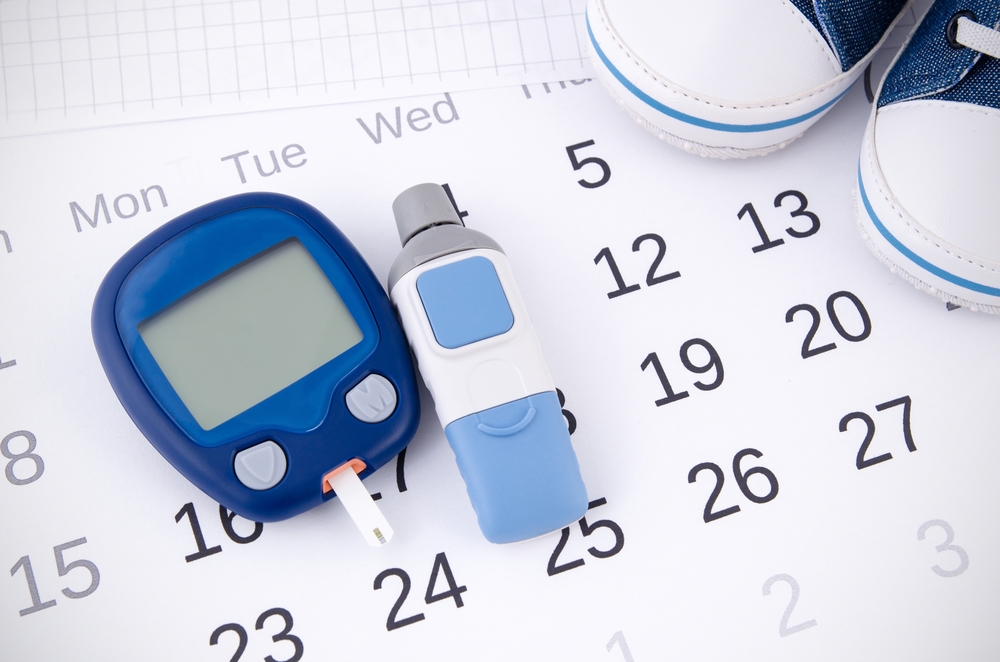
Any woman can develop diabetes during pregnancy. Despite this, some women are more likely to develop this condition. Below are the risk factors associated with gestational diabetes:
Overweight
Women who have excess weight are more likely to develop diabetes during pregnancy because the cells in the body start to resist and become less sensitive to insulin. Excess weight is not necessarily the problem but the location of the fat. Individuals who have excess fat around the gut area are more susceptible to gestational diabetes.
Women who had diabetes in their previous pregnancies might develop this condition in their subsequent pregnancies. Some might get pre-diabetes – a condition where blood glucose is high but not enough to cause diabetes.
Age
Women who are older than 35 years are more likely to develop diabetes during pregnancy because they have a lower metabolism, rarely exercise, and gain weight faster.
Complications to the Mother and Baby
Diabetes during pregnancy may cause certain complications to both the mother and the unborn baby.
Effects to the Mother
- Gestational diabetes increases the risk of developing high blood pressure. Although this condition is temporary and goes away after delivery, in rare cases, the pressure remains high and can develop into chronic hypertension.
Preeclampsia is hypertension that arises during pregnancy, and in are cases after delivery.
- If you develop diabetes during pregnancy, you might suffer from this condition in the pregnancies that follow and later in life.
Risks to the Baby
- Gestational diabetes induces excess blood sugar to flow through the placenta which stimulates the baby’s pancreas to produce excess insulin. This causes the baby to be overweight and might suffer birth injuries during delivery.
- Diabetes during pregnancy increases the risk of early labor and premature birth. The physician might induce early labor because of the overweight baby. Those born prematurely experience breathing problems and require assistance breathing. Babies born to women with this condition during pregnancy are likely to develop respiratory complications even if they were born on their due date.
- Babies who are born to women who have gestation diabetes stand a higher chance of developing type 2 diabetes and obesity later in life.
- Untreated gestation diabetes can cause the baby to die in the womb or after delivery.
Prevention Measures
There is no definitive way to prevent diabetes during pregnancy, but there are healthy practices that you can adopt before and during pregnancy to keep this condition at bay.
Adopt a Healthy Diet
Consume a balanced diet comprising of all food groups; grains contain carbohydrates that provide the energy needed for a healthy pregnancy. Choose fruits and vegetables because they are loaded with numerous vitamins and minerals. Foods high in fiber such as bananas, and broccoli together with low-fat foods help to maintain the required weight.
Exercise
Staying productive prior to and during this period can protect you from gestation diabetes. Simple workouts that take 30 minutes are enough for a day. You don’t require training hard; a walk is enough.
Lose Weight before Pregnancy
If you are planning to have a baby and you feel that you need to shed excess pounds, do it before pregnancy because doctors discourage expectant women from losing weight. To stay motivated during this journey, remind yourself of the future benefits of losing weight.
Keep All Your Appointments
Attend all your prenatal checkups because gestational diabetes Mellitus is tested during the end of the 2nd trimester. If you test positive for this condition, you will be referred to a certified physician who will help you to control and monitor your blood sugar levels.
Diabetes during the gestation period can be fatal to both the mother and the fetus. Although there is no guaranteed way to prevent this condition, it can be controlled with a balanced diet and exercise. Sometimes, the doctor might prescribe medication to ease this condition. Maintaining optimum blood glucose will keep your baby healthy and ensure a normal delivery. Women who develop diabetes while pregnant are relieved to find out that the condition is temporary and it disappears after birth. The important activity that expectant women should maintain is to attend all their prenatal session so that if diabetes is detected, the physician can help you.
Content Source: aafc.ae
