

Proteins for Kids – Body Building Nutrient
What are Proteins?
Proteins are macromolecules which are formed by the combination of amino acids. Proteins in your everyday food contribute the part of major macro-nutrient which gives energy to your body and are involved in the chemical processes of life. Each gram of protein contains 4 calories and a protein is referred as complete if it is made of all 20 amino acids. So, it is important to choose foods with a complete protein source to ensure that all amino acids are acquired by your body.
Why do Kids need Protein?
Protein is essential for children to help them in growth, strength and brain power. Proteins aid in building and repairing cells, hormones and breaking down food into energy. It also fights infection and carries oxygen. Proteins also help form new blood cells and body tissues, and they help the nervous system function properly. Proteins support the children’s muscles, blood, bones, organs, hair, and nails. Our bodies do not store much protein. Everyone needs it constantly to help the body work its best. Children need protein to support all of these functions and to grow at the same time.
How do Proteins function?
- Antibody: Antibodies recognize and latch onto antigens in order to remove them from the body. Antigens can be foreign particles, such as viruses and bacteria. Example: Immunoglobulin G (IgG)
- Enzyme: Enzymes act as catalyst in chemical reactions that take place in cells. They also assist with the formation of new molecules by reading the genetic information stored in DNA. Example: Phenylalanine hydroxylase
- Messenger: Messenger proteins, such as some types of hormones, transmit signals to coordinate biological processes between different cells, tissues, and organs. Example: Growth hormone
- Structural component: These proteins provide structure and support for cells. On a larger scale, they also allow the body to move. Example: Actin
- Transport/storage: These proteins bind and carry atoms and small molecules within cells and throughout the body. Example: Ferritin
Which foods are rich in Protein?
Our child’s everyday calorie intake should contain 10-35% of protein. As recommended by several nutritionists, 1 gram of protein is essential for every kilogram of body weight (0.4 g per pound).
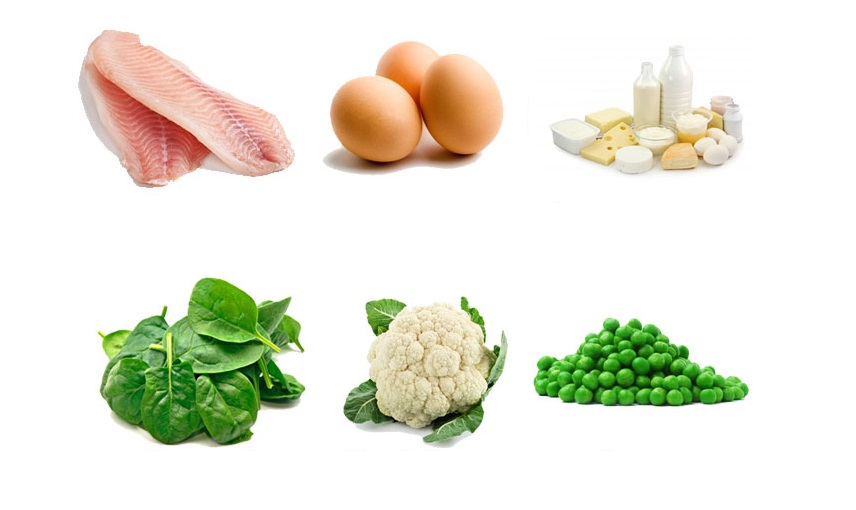
Sources of protein include meat products (hamburger, fish, chicken), dairy products (cheese, milk, yogurt and cottage cheese), eggs, tofu, lentils, and soymilk.
Eating complete protein (containing all amino acids) will help ensure that you do not become deficient in essential amino acids. Complete proteins include meat, poultry, fish, dairy, eggs, and soy (a non-animal source). Nuts, grains, fruits, and vegetables are typically incomplete. For this reason, it is important for vegetarians to pair non-animal products wisely in order to consume all essential amino acids in their daily diet.
What happens if our diet is Protein-Deficient?
Protein deficiency is an unusual condition when a child lacks protein, the child normally has a lack of nutrients and energy, due to low food intake. Very low protein intake can lead to weak muscle tone, edema, or swelling, thin and brittle hair, and skin lesions, and, in children, stunted growth. Biochemical tests may show low serum albumin and hormone imbalances. Also, beware that the intake of protein beyond the limit is harmful to the body which may put stress on the kidneys and liver.
